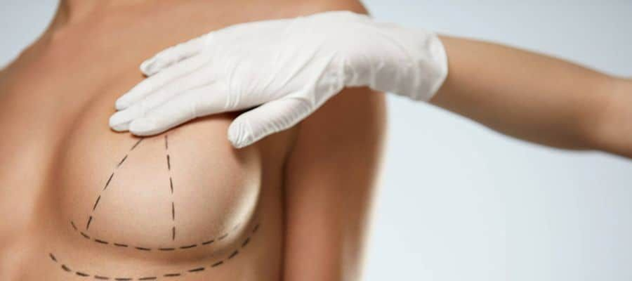
Weight and BMI can affect whether you are a good candidate for plastic surgery, how safely your surgery can be performed, and how well you may heal afterward. While BMI is not the only factor your surgeon will consider, it is one of several guidelines that can help determine whether the timing is right for you to move forward. However, BMI is a screening measure, not a diagnosis, and should be considered alongside your medical history and overall health.
If you are considering elective cosmetic surgery, board-certified plastic surgeon Dr. Juan Ortiz explains how your current weight, weight stability, and overall health may affect both your safety and final results.
WARNING:
This feature contains nudity. Please click OK to confirm you are at least 18 years of age and are not offended by such material.


Understanding BMI and Weight
BMI, or body mass index, is a screening measure that uses height and weight to estimate weight category in adults. It is commonly used as one health indicator, but it is not the only factor that determines whether someone is healthy or a good surgical candidate.
For adults, the standard BMI categories are:
- Underweight: less than 18.5
- Healthy weight: 18.5 to less than 25
- Overweight: 25 to less than 30
- Obesity: 30 or greater
To determine your BMI, use the BMI calculator from the CDC.
How BMI Impacts Your Plastic Surgery Results
BMI can affect plastic surgery results by influencing surgical risk, healing, and how closely your final outcome matches your goals. Even so, BMI is only one part of candidacy, and Dr. Ortiz will also consider your health history, procedure type, weight stability, and anatomy before recommending surgery.
Improved Recovery
A healthier weight and overall health status can support a smoother recovery after plastic surgery by lowering the risk of delayed healing, infection, and some complications. Higher BMI has been associated with longer healing time, which is one reason surgeons often look closely at weight, inflammation, and other health factors during consultation.
Getting the Best Results
Getting the best plastic surgery results usually means reaching a stable weight before surgery rather than using surgery as a substitute for weight loss. Procedures such as liposuction and tummy tuck surgery are better suited for contouring stubborn fat, loose skin, or stretched muscles than for achieving major weight loss.
Becoming a Good Candidate for Plastic Surgery
Becoming a better candidate for plastic surgery usually means focusing on long-term health, weight stability, and realistic goals before moving forward with surgery. Rather than aiming only for a specific number on the scale, patients should work toward a weight and health status that can be maintained in the months leading up to surgery and long after.
In order to get the tone, trim physique you dream of, we recommend the following steps:
- Work toward a stable, sustainable weight with guidance from your healthcare team
- Build a meal plan that includes fruits, vegetables, whole grains, and lean protein
- Exercise regularly at a pace you can maintain consistently
- Aim for gradual, sustainable weight loss rather than rapid changes
- Talk with your primary care doctor before starting a new diet or exercise plan
If traditional weight loss strategies are not enough or are not appropriate for your situation, your doctor may recommend additional medical support. Once you reach a stable weight and maintain it, it is often easier to evaluate what cosmetic concerns remain and which procedures may help address them.
Does Plastic Surgery Help You Lose Weight?
No, plastic surgery is not considered a weight-loss solution. Procedures such as liposuction, tummy tuck surgery, and mommy makeover surgery are designed to improve contour, remove loose skin, and address areas that diet and exercise may not fully change, but they are not meant to replace healthy weight loss efforts.
Why Does Weight Stability Matter Before Plastic Surgery?
Weight stability matters before plastic surgery because major weight changes after surgery can affect both healing and final results. If you lose a significant amount of weight after a tummy tuck or body contouring procedure, for example, you may develop new laxity or feel less satisfied with your outcome.
For many patients, the best results come when surgery is timed after they have reached a stable weight they can comfortably and consistently maintain.
Plastic Surgery FAQ
Is BMI the only thing that determines whether I am a good candidate?
No. BMI is a screening tool, and surgeons also consider your medical history, overall health, weight stability, anatomy, and the procedure you want.
Why do surgeons want patients at a stable weight before surgery?
Stable weight helps support more predictable results and reduces the chance that major weight changes after surgery will affect your outcome.
What is considered a healthy adult BMI?
According to the CDC, a healthy adult BMI is 18.5 to less than 25. BMI is still only one health indicator and should be considered with other factors.
Schedule a Consultation With Dr. Ortiz Today
If you are wondering whether your current weight or BMI could affect your candidacy for plastic surgery, a consultation with Dr. Ortiz is the best place to start. He can evaluate your goals, overall health, and areas of concern to help you understand when surgery may be appropriate and which options may best support your results. Call North Raleigh Plastic Surgery at (919) 532-2270 or fill out our contact form below to get started.
This blog post was originally published in July 2024 and has been updated for 2026.